
Kirkland and Juanita Exterior Dryer Vents: Why Lakeside Humidity Clogs Covers in October

Along Lake Washington in Kirkland and Juanita, fall does not wait for a calendar invite. October brings cooler nights, longer dryer cycles, and lake air that hangs on exterior walls--especially where dryer vents terminate under eaves, on side yards facing the water, or behind landscaping that stays damp for days.
If loads that used to finish in one cycle now need two, the clog is often not only behind the dryer. On lakeside streets from Juanita Beach toward downtown Kirkland and Houghton, humid outdoor air plus lint at the exterior cover is a classic slowdown. This post is pure dryer-vent education for homeowners and property managers: why exterior hoods clog faster near the lake in October, what to look for, and when to Book Now.
Why lakeside humidity hits exterior dryer covers first
Dryer vents on Kirkland and Juanita homes often exit a short horizontal run through a side wall or crawlspace wall. The last few inches--the wall cap, louvered hood, or critter-style cover--sit in the weather all year. Near Lake Washington that weather is damp:
Cool, moist lake air meets warm dryer exhaust at the hood; moisture condenses and turns lint into a sticky felt mat on louvers and flaps.
October rain keeps siding and soffits wet longer, so the termination never fully dries between loads.
Landscaping, fences, and patio furniture close to the outlet trap humidity and block the free airflow a cover needs.
Mesh pest screens and decorative covers pack with lint faster than a simple open-backdraft damper--especially in pet households and busy rental units.
Cleaning the lint screen after every load still matters. It does not clear a hood that is already half-blocked by felted lint and damp debris. Warm exhaust leaves the machine, cools in the short wall run, and drops lint right where Juanita and Kirkland exterior covers sit in the fog.

October in Kirkland and Juanita: more indoor drying, stickier lint
As Eastside neighborhoods tip into heating season, families and multifamily buildings run more towels, jeans, and bedding indoors. Longer cycles push more warm, moist air through the same exterior cover. On cool mornings along Juanita Drive or near the waterfront parks, that cover can feel clammy while the dryer is still warm--exactly the conditions that glue lint to louvers and backdraft flaps.
Property managers of lakeside townhomes and apartments see the same pattern across units: dry times creep up building-wide after the first stretch of wet October weather, even when tenants swear they empty the lint trap. The shared culprit is often the outdoor termination--not a different dryer in every unit.
Warning signs at the exterior cover (and inside)
Walk the outside wall while a load is running--or check between tenants--in Kirkland, Juanita, and nearby Houghton / Finn Hill edges:
Weak or uneven airflow at the hood; louvers that barely move when the dryer should be pushing hard.
Lint felted onto the cover, damper, or nearby siding--especially after a stretch of lake fog or rain.
A cover that stays wet or sticky long after the cycle ends.
Towels that need two cycles on cool, damp days even with a clean lint screen.
A laundry room that feels hotter, stickier, or dustier than the rest of the home or unit.
A hot-dust smell, thermal shutoffs, or a dryer that feels unusually hot to the touch.
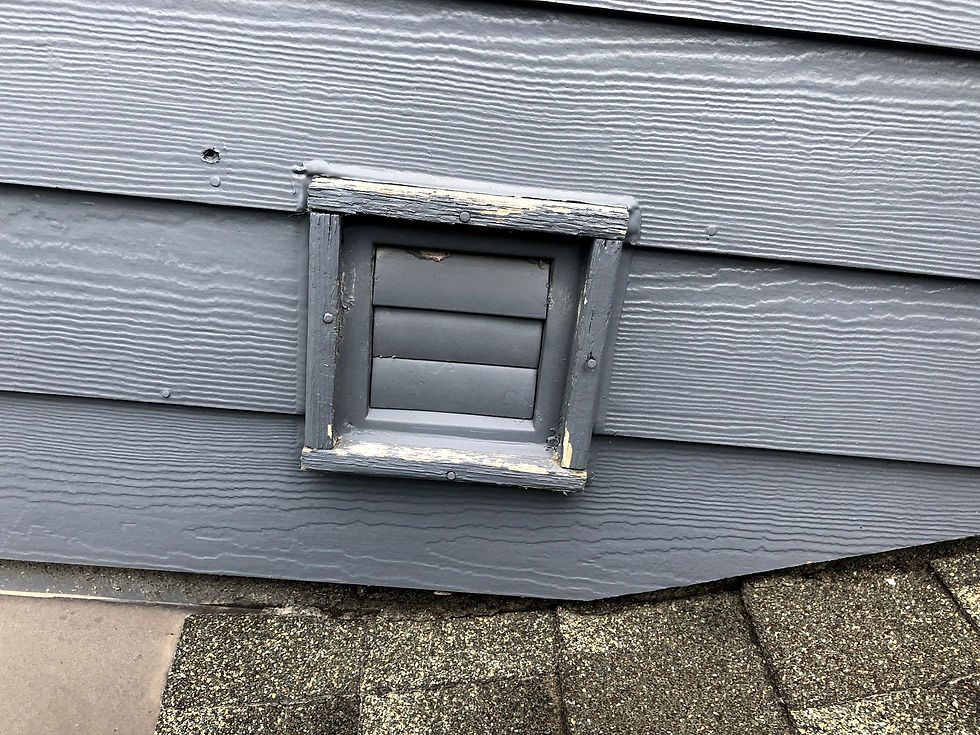
Any burning smell means shut the machine off and stop using it until the full vent line--including the exterior cover--is cleared. Lakeside terminations are a classic place for lint to stack up out of sight between Kirkland and Juanita.
Habits that help--and when to call a pro
Between professional cleanings:
Empty the lint screen after every load--October volume fills it faster.
Keep plants, patio gear, and storage bins clear of the exterior outlet so lake air can move past the cover.
Skip fine mesh pest screens on dryer terminations; they pack with lint. Prefer a proper damper-style cover designed for dryers.
After windy rain, glance at the hood for leaves or debris stuck in the louvers.
Time a normal towel load once a month in September and October so you catch creep early.
For rentals and HOA buildings near the lake, schedule building-wide exterior checks when dry times climb across multiple units.
Book a professional full-line cleaning when dry times climb, exterior airflow is weak, or it has been a year or more since the last clearing--sooner for large households, pet homes, busy multifamily laundry rooms, or units with short runs straight to a lakeside wall.
A proper cleaning clears the dryer transition, the in-wall run, and the exterior termination so heat and moisture leave the building instead of lingering on a damp Kirkland or Juanita cover.
Book dryer vent cleaning in Kirkland, Juanita and Greater Seattle
Seattle Dryer Vent Cleaning serves Kirkland, Juanita, nearby Houghton and Finn Hill, and the rest of Greater Seattle, King, and Snohomish Counties. We use professional tools to clear lint from the full vent line--including sticky exterior covers and damp lakeside terminations--so fall laundry can keep pace with PNW weather.
Ready for safer, faster drying this October? Call or text Seattle Dryer Vent Cleaning at 206-289-0344 to Book Now. We treat your exterior vent like a neighbor's--because along the lake, it usually is.


Comments