
Heat Pump and Ventless Dryers in Seattle: Do You Still Need a Dryer Vent?

More Seattle homeowners are asking us the same question this fall: "If I switch to a heat pump dryer, can I forget about the dryer vent?" It's a fair question. Heat pump and other ventless dryers are showing up in new townhomes, ADUs, condo remodels, and appliance showrooms all over the Puget Sound area, and the pitch is simple. No vent, no duct, no hole in the wall.
The short answer: a ventless dryer doesn't need a dryer vent, but it still needs maintenance, and the old vent you leave behind still needs attention. Here's what Seattle homeowners should know before they make the switch, and what to do with the duct that's already in your wall.
How a Heat Pump Dryer Works Without a Dryer Vent
A regular dryer heats air, pushes it through your wet clothes, and blows that hot, wet, linty air outside through the dryer vent. That's why the vent matters so much. If the duct is clogged, crushed, or disconnected, the heat and lint have nowhere to go.
A heat pump dryer works differently. ENERGY STAR describes it as a closed loop: it heats the air, uses it to pull moisture out of the clothes, removes that moisture, and then reuses the same air instead of sending it outside. The water it pulls out goes into a tank you empty or down a drain hose. You can read the ENERGY STAR heat pump dryer overview for the full explanation.
There's also a second kind of ventless dryer, the condenser dryer. It uses an electric heating element like a regular dryer, but it condenses the moisture into water instead of venting it. Many all-in-one washer-dryer combos work this way too. The U.S. Department of Energy's Building America program has a good plain-English rundown on ventless condensing clothes dryers.
Either way, no air goes outside. So no, a true ventless dryer does not need a dryer vent.
Why Ventless Dryers Are Catching On in Seattle Homes
A few things about how Seattle builds and remodels make ventless dryers appealing:
ADUs and backyard cottages. Small units often have the laundry in a closet with no easy path to an outside wall. ENERGY STAR specifically points to accessory dwelling units, tiny homes, and additions as good fits.
Long, hard-to-vent runs. Townhomes and newer row houses often route dryer exhaust up two or three floors to the roof. If you've ever dealt with slow drying on one of those, our post on booster fans and long vent runs in Seattle townhomes explains why. A ventless dryer skips that run entirely.
Condos with shared dryer shafts. In buildings where every unit vents into a shared shaft, owners sometimes look at ventless dryers to get away from shaft problems. Talk to your HOA first. Our post on Seattle condo dryer vents and HOAs covers who owns what.
Energy use. ENERGY STAR says heat pump dryers can cut energy use by at least 28 percent compared to standard dryers.
Those are real advantages. But ventless doesn't mean maintenance-free, and that's where we see people get caught off guard.
What a Ventless Dryer Still Needs: Lint Filters, Condensers, and Drains
Without a vent, all the lint and moisture a dryer normally sends outside has to be caught inside the machine. That puts the cleanup job on you.
The Building America guide lists the routine maintenance for condensing dryers:
Rinse and clean the condenser every few months. Lint that gets past the filter builds up on the condenser and slows drying.
Empty the water tank after each load, unless the dryer is plumbed to a drain.
Empty the secondary lint trap about once a month. Many ventless models have two lint filters, not one.
Always follow your own dryer's manual, since every brand does it a little differently. A few more things we tell Seattle customers:
Clean the main lint filter every load. This is even more important on a ventless dryer, because there's no duct to carry away what the filter misses.
Check the drain hose. If your dryer drains into the washer standpipe or a sink, make sure the hose isn't kinked, crushed behind the machine, or popped out of the drain.
Expect longer cycles. Ventless dryers dry at lower temperatures and usually take longer. The Building America guide notes some can take up to twice as long as a conventional dryer. Longer cycles are normal. Cycles that keep getting longer usually mean a dirty filter or condenser.
Seattle Garages, Cold Laundry Rooms, and the 40-Degree Rule
This one matters here. Plenty of Seattle houses, especially older homes in neighborhoods like Beacon Hill, Ballard, and West Seattle, have the washer and dryer in an unheated garage or basement.
The Building America guide says a condensing dryer should sit somewhere that stays at least 40 degrees Fahrenheit to work properly. Our winters are mild, but an uninsulated garage on a cold January night can drop below that. If your laundry is in the garage, check the manufacturer's temperature range before you buy a ventless model.
A few more installation checks before you switch:
Power. Check the installation manual for the electrical requirement. Some ventless models need a 240-volt circuit and some run on a standard outlet.
Water. You'll need a drain nearby, or you'll be emptying a tank after every load.
Clearance. Closet installs need the clearances listed in the manual, so the dryer can breathe.
Gas. If you're replacing a gas dryer with an electric ventless model, have a licensed professional cap the gas line. Don't leave it to the delivery crew unless they're qualified to do it.
What To Do With Your Old Dryer Vent After You Go Ventless
This is the part almost nobody thinks about. You haul out the old dryer, push the new ventless one into place, and the old duct just stays there. That old vent still has lint in it, and it's still an open path from the outside of your house to the inside.
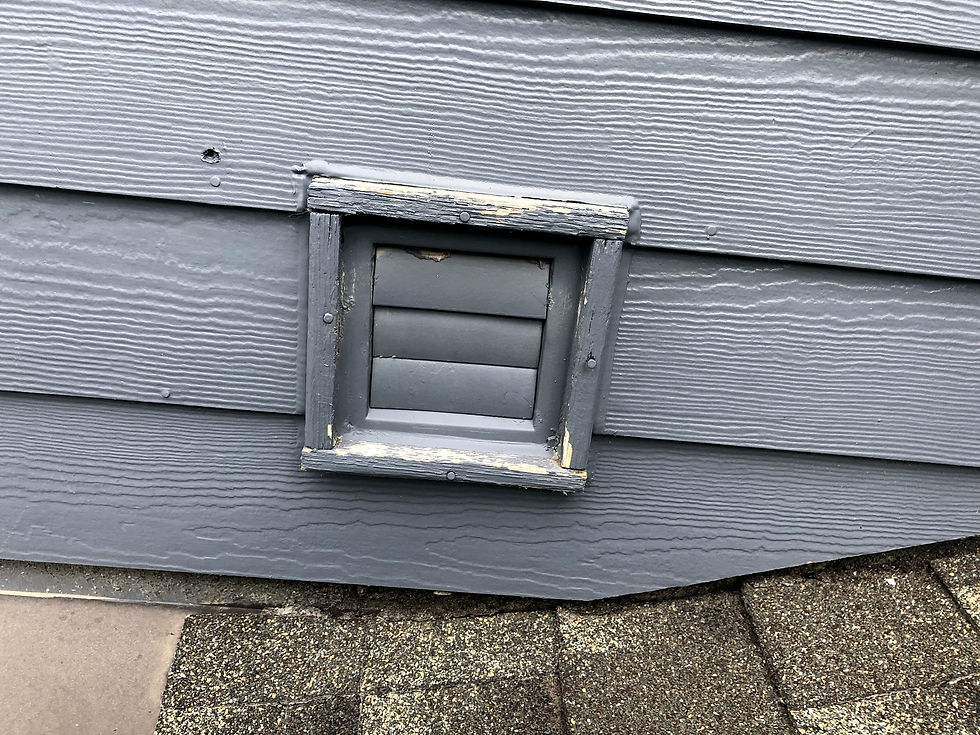
Here's what can go wrong with an abandoned dryer vent in Seattle:
Old lint stays in the duct. Years of lint don't disappear when the dryer does. If the run is ever hooked back up, that lint goes right back into play.
Pests move in. An unused vent with a stuck-open flap is an easy home for birds and rodents, especially in fall. We've written about both: bird nests in Seattle dryer vents and dryer vent critter guards for fall rodents.
Rain and damp air get in. A hood that no longer has warm air pushing out of it can let wind-driven rain and cold, wet air into the duct. That moisture has nowhere to go. Our post on dryer vent condensation in Seattle explains what happens when water sits in a duct.
The open end inside the house. The duct behind the dryer is often left loose on the floor or stuffed with a rag. That's a gap in your wall.
Your options usually come down to two choices:
Keep it clean and ready. If you might go back to a vented dryer, or you think a future buyer will want one, have the vent cleaned and keep a good exterior hood with a working flap on it.
Close it off properly. If you're done with vented dryers for good, the duct should be cleaned out first and then sealed at both ends so it isn't an open hole to the outside.
If you're in a condo or townhome with a shared shaft, don't seal anything until you've talked to your HOA, because that shaft may serve other units. If the old duct is crushed, disconnected, or made of foil or vinyl, our dryer duct repair service can help you sort out what to do with it.
When a Vented Dryer Is Still the Better Fit
Ventless dryers aren't right for every Seattle household. A conventional vented dryer can still make more sense if:
You already have a short, straight, working vent to an outside wall.
You run a lot of big loads, like a busy family or a rental with heavy use, and longer cycle times would be a real problem.
Your laundry is in a space that gets cold in winter.
You have a gas line and want to keep using gas.
If you stay vented, the vent needs regular cleaning. Our post on how often to clean a dryer vent in Seattle walks through the timing, and if your vent is made of soft foil or vinyl, read our guide to foil vs vinyl vs rigid metal dryer duct before winter. Gas dryer owners should also read our post on gas dryer vents and carbon monoxide.
FAQ
Do heat pump dryers need a dryer vent?
No. A heat pump dryer recirculates its air and removes the moisture as water, so it doesn't send exhaust outside. It still needs its lint filters cleaned and its water drained or emptied.
Can a ventless dryer catch fire?
Any dryer that collects lint needs care. A ventless dryer removes the risk of a clogged vent duct, but lint still builds up in the filters and condenser if they aren't cleaned. Clean the main filter every load and follow the manual for the rest.
Can I put a ventless dryer in my Seattle garage?
Maybe. Building America guidance says condensing dryers should be in a space that stays at least 40 degrees Fahrenheit. Check your model's temperature range and think about how cold your garage gets in January.
What should I do with my old dryer vent if I switch to ventless?
Have it cleaned first. Then either keep it in good shape with a working exterior hood, or close it off properly at both ends. In a condo with a shared shaft, check with your HOA before sealing anything.
Do you clean ventless dryers?
Our work is the vent and duct side: cleaning, repairing, and replacing dryer vents. For the inside of a ventless dryer, follow the manufacturer's maintenance steps. If you're switching and have an old vent to deal with, we can help with that.
Switching Dryers in Seattle? Call Before You Abandon the Vent
Whether you're keeping a vented dryer or going ventless, the duct in your wall still matters. See what's included in our residential dryer vent cleaning, or our commercial and HOA dryer vent service for condo buildings and property managers.
Book a dryer vent cleaning online, call us at 206-289-0344, or email info@SeattleDryerVentCleaning.com. We'll clean the run, check where it goes, and help you decide whether to keep it or close it off the right way.


Comments